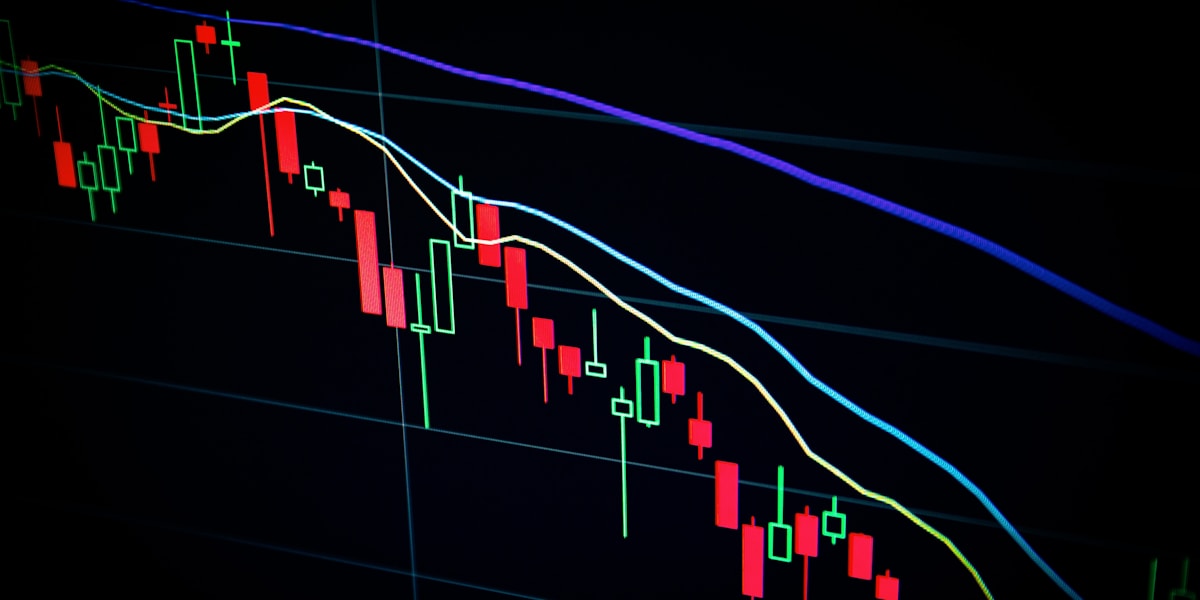
Understanding Market Volatility: Should You Worry?
Market swings can be unsettling, but understanding volatility helps you make better investment decisions.
What Is Volatility?
Volatility measures how much and how quickly prices change. High volatility = bigger price swings.
The VIX Index
The "fear gauge" of the market:
- Below 12: Low volatility (calm markets)
- 12-20: Normal volatility
- 20-30: Elevated volatility
- Above 30: High volatility (market stress)
What Causes Volatility?
- Economic Data: Jobs reports, GDP, inflation
- Central Bank Decisions: Interest rate changes
- Geopolitical Events: Wars, elections, policy changes
- Corporate Earnings: Quarterly results surprises
- Market Sentiment: Fear and greed cycles
Historical Perspective
Major Market Declines
- 2020 COVID Crash: -34% (recovered in 5 months)
- 2008 Financial Crisis: -57% (recovered in 4 years)
- 2000 Dot-Com Bubble: -49% (recovered in 7 years)
- 1987 Black Monday: -22% in one day (recovered in 2 years)
Key insight: Markets always recovered and reached new highs.
Should You Worry?
Don't Worry If:
- You're investing for 10+ years
- You have a diversified portfolio
- You're making regular contributions
- Your emergency fund is solid
Do Pay Attention If:
- You need the money in 1-2 years
- You're 100% in stocks near retirement
- You're investing money you can't afford to lose
- You don't have 3-6 months emergency savings
Strategies for Volatile Markets
1. Dollar-Cost Averaging
Invest the same amount regularly, regardless of market conditions:
- Buy more shares when prices are low
- Buy fewer shares when prices are high
- Averages out your cost over time
2. Rebalancing
Sell winners, buy losers to maintain target allocation:
- Forces you to "buy low, sell high"
- Maintains your desired risk level
- Do annually or when allocations drift 5%+
3. Focus on Quality
In uncertain times, prioritize:
- Low-cost index funds
- Dividend-paying stocks
- Investment-grade bonds
- Companies with strong balance sheets
4. Keep Cash Ready
- Maintain 3-6 months emergency fund
- Consider 1-2 years expenses in stable assets if near retirement
- Allows you to avoid selling in downturns
What Not to Do
- Panic sell: Locks in losses
- Try to time the market: Nearly impossible
- Watch your portfolio daily: Causes emotional decisions
- Go to cash: Misses the recovery
- Stop contributing: Misses buying opportunities
Historical Returns After Crashes
Market performance 1 year after 10%+ declines:
- Average return: +17.2%
- Positive 1 year later: 88% of the time
- Positive 3 years later: 100% of the time
The Long-Term View
Despite all the crashes, crises, and corrections:
- S&P 500 average annual return: 10.5% (1926-2025)
- $10,000 invested in 1926 grew to over $100 million
- Time in the market beats timing the market
Your Action Plan
- Review your asset allocation - Match it to your timeline
- Automate investments - Remove emotion from decisions
- Stop checking daily - Check quarterly at most
- Focus on what you control - Costs, diversification, contributions
- Stay the course - Long-term investors win
Remember: Volatility is the price of admission for higher long-term returns. Without it, everyone would be rich!